
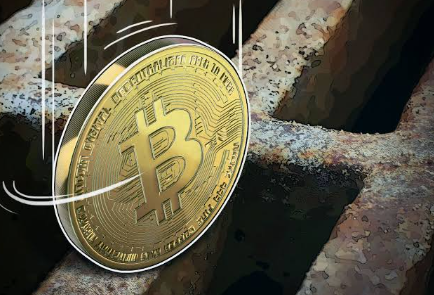
Users on cryptocurrency exchanges contend with withdrawal delays, hidden fees, verification bottlenecks, and security gaps. Data shows delays stem from risk checks, liquidity, and incomplete documents, while costs often hide charges in tiered pricing and cross-border fees. Verification depends on data quality and process transparency, threatening access to funds. Security remains a concern with limited MFA options and scattered recovery keys. The pattern suggests a need for clearer milestones and stronger, user-centered controls to guide ongoing improvements.
Root Causes of Withdrawal Delays (And Fast Ways to Verify)
Withdrawal delays on exchanges often stem from a combination of risk checks, liquidity constraints, and verification gaps.
The analysis highlights how gradual verification speed and tiered compliance impact access to funds, emphasizing transparent timelines and predictable milestones.
Data shows that proactive document readiness reduces hold times, while institutional controls guard liquidity without sacrificing user autonomy or freedom.
Decode Exchange Fees and Compare Total Costs
Decoding exchange fees and comparing total costs requires separating explicit charges from hidden or ancillary expenses, then measuring their impact on overall trading or custody budgets. The analysis highlights how fees and costs accumulate beyond headlines, while exchange pricing structures vary by tier, volume, and service.
Users should compare total cost of ownership, not just per‑trade fees, for informed decisions.
Speed Up Verification: Practical Steps You Can Take
Verification processes can be streamlined by identifying common bottlenecks and offering concrete, data-backed steps users can take to accelerate approval timelines.
The article emphasizes verification speed through documented timelines, prompt document submission, and precise personal data.
It frames actions around user autonomy and transparency, while reinforcing account security. Ratios, proofs, and status trackers guide decisions, increasing freedom without compromising trustworthy verification.
Protect Your Funds: Practical Security Steps for Exchanges
Protecting funds on exchanges requires practical, data-informed steps that users can implement quickly. In practice, users should enable available security audits, review third-party findings, and monitor transaction activity regularly. Adopt robust multi factor options, from authenticator apps to hardware keys, and keep recovery phrases isolated. Regularly update devices, patch vulnerabilities, and practice phased withdrawal limits to minimize incident impact.
Conclusion
In short, withdrawals stall when risk checks, liquidity, and verification gaps collide, yet data shows proactive steps shorten timelines. Exchanges that publish clear milestones and transparent fee structures empower users to plan liquidity with confidence. By tightening verification readiness and embracing multi-factor security, funds move with fewer delays. Think of the process as a well-lit highway: smooth lanes, real-time signage, and trusted guards ensuring you reach your destination safely, quickly, and on your own terms.
